

Ensures the high precision,high steady and high efficiency of our machines

traveling lawn sprinkler
In wastewater management, the ability to monitor and control turbidity—measure of water cloudiness caused by suspended particles—directly impacts treatment efficiency, regulatory compliance, and environmental protection. A turbidity sensor , especially turbidity sensor for water and turbidity sensor for water quality systems, serves as a critical tool for real-time monitoring, enabling timely adjustments to treatment processes. Hebei JIRS Import & Export Co., Ltd., a leading provider of water quality sensors, offers advanced turbidity monitoring solutions designed to thrive in harsh wastewater environments. With a focus on precision, durability, and exceptional after-service, the company empowers wholesalers to deliver sensors that enhance wastewater treatment outcomes across industries. Turbidity Sensor : Core Functions in Wastewater Treatment A turbidity sensor is the cornerstone of effective wastewater management, providing data that guides treatment processes and ensures effluent quality. Function How It Works Impact on Wastewater Management Real-Time Monitoring Continuous particle detection with bubble elimination Prevents treatment system overloads, reduces downtime Process Optimization Data-driven adjustments to dosing/filtration Lowers chemical usage, improves treatment efficiency Compliance Verification Regulatory-level accuracy with reporting capabilities Ensures effluent meets environmental standards, avoids penalties Turbidity Sensor for Water : Adaptability to Diverse Wastewater Streams A turbidity sensor for water must adapt to the unique challenges of different wastewater types, from industrial effluents to municipal sewage. Wastewater Type Challenges Turbidity Sensor for Water Features Addressing Challenges Industrial Effluents Abrasive particles, chemical exposure Durable construction, international brand core parts Municipal Sewage Fluctuating turbidity from usage peaks Watchdog function, stable readings during variability Agricultural Runoff Organic sediments, variable particle types Two-point calibration for precise tuning Turbidity Sensor for Water Quality : Ensuring Regulatory Compliance A turbidity sensor for water quality is essential for meeting strict regulatory standards, as turbidity is a key indicator of effluent safety and environmental impact. Regulatory Requirement Turbidity Sensor for Water Quality Feature Benefit for Compliance Strict Effluent Limits High-accuracy measurements Ensures effluent meets environmental standards Data Retention 10+ years power-fail protection Provides audit-ready records of long-term performance Reuse Safety On-site LCD display, reliable readings Validates water quality for safe reuse applications Turbidity Sensor Integration: Streamlining Wastewater Workflows Integrating a turbidity sensor into wastewater management systems creates a streamlined workflow that connects monitoring, treatment, and compliance. Integration Scenario Components Involved Operational Benefit Automated Treatment Turbidity sensor + chemical dosing system Real-time adjustments, reduced chemical waste Centralized Monitoring Sensor network + SCADA platform Holistic visibility of treatment stages, faster issue resolution Predictive Maintenance Sensor data + maintenance software Proactive upkeep, minimized downtime Turbidity Sensor FAQS How does a turbidity sensor improve wastewater treatment efficiency? A turbidity sensor improves wastewater treatment efficiency by providing real-time data on suspended solids, enabling precise adjustments to treatment processes. For example, if sensor readings indicate high turbidity after primary settling, operators can increase flocculant dosing to enhance particle removal, reducing the load on downstream filters. This targeted approach minimizes chemical usage and energy consumption, as treatment processes are optimized based on actual conditions rather than fixed schedules. Hebei JIRS’s sensors, with their bubble elimination systems, ensure accurate readings even in turbulent wastewater, making these efficiency gains reliable and consistent. What makes a turbidity sensor for water suitable for industrial wastewater? A turbidity sensor for water from Hebei JIRS is suitable for industrial wastewater due to its durable construction and ability to withstand harsh conditions. Industrial wastewater often contains abrasive particles, corrosive chemicals, or high temperatures, which can damage less robust sensors. Hebei JIRS’s sensors use core parts from international famous brands, ensuring resistance to wear and chemical exposure. Additionally, their two-point calibration allows tuning to specific industrial contaminants , ensuring accurate readings despite unique particle characteristics. This combination of durability and adaptability makes them ideal for industrial settings. How does a turbidity sensor for water quality support environmental protection? A turbidity sensor for water quality supports environmental protection by ensuring wastewater effluent meets strict turbidity standards before discharge. High turbidity in effluent can smother aquatic habitats, block sunlight, and disrupt ecosystems. The sensor monitors turbidity levels throughout treatment, alerting operators if levels approach regulatory limits—enabling adjustments to ensure compliance. By preventing the release of overly turbid water, the sensor helps protect rivers, lakes, and oceans. Hebei JIRS’s sensors enhance this protection with reliable data logging, providing a clear record of effluent quality for environmental audits and long-term impact assessments. How does Hebei JIRS assist with troubleshooting turbidity sensor issues in wastewater plants? Hebei JIRS assists with troubleshooting turbidity sensor issues in wastewater plants through its dedicated online support team, which provides timely guidance on installation, calibration, and maintenance. If a sensor shows erratic readings, the team may recommend checking for bubble interference or performing a two-point calibration. For communication issues, they assist with MODBUS protocol setup to ensure seamless integration with plant SCADA systems. The company also offers guidance on restoring factory settings for sensors with persistent issues, minimizing downtime. This support ensures wastewater plants maintain reliable turbidity monitoring. Can a turbidity sensor be used for both wastewater treatment and effluent reuse monitoring? Yes, a turbidity sensor from Hebei JIRS is versatile enough for both wastewater treatment and effluent reuse monitoring. During treatment, it tracks turbidity to optimize processes like filtration and chemical dosing. For reuse applications—such as irrigation or industrial cooling—the sensor verifies that turbidity levels are safe for the intended use, preventing clogging of irrigation systems or damage to industrial equipment. Its high accuracy and large screen display make it easy to validate reuse suitability on-site, while RS-485 communication allows data sharing with reuse management systems. This dual functionality makes it a cost-effective solution for facilities with both treatment and reuse needs.
Latest News
2026-06-15 15:11
The LF55 Pressure Switch is a critical component in modern industrial systems, designed to monitor and regulate pressure levels with precision and reliability. Manufactured by Hebei JIRS Import & Export Co., Ltd. , this device ensures operational safety and efficiency across a wide range of applications, from hydraulic systems to pump control. This article provides an in-depth analysis of the prod
2026-06-15 17:14
Navigating the Future: Top Chinese Instrumentation and Meters Manufacturers at Aquatech China In the dynamic world of industrial processing, precision, efficiency, and reliability are not just buzzwords – they are the bedrock of success. For businesses operating in water treatment, liquid processing, and advanced manufacturing, the accuracy of their instrumentation and meters can make all the diff
2026-06-15 16:39
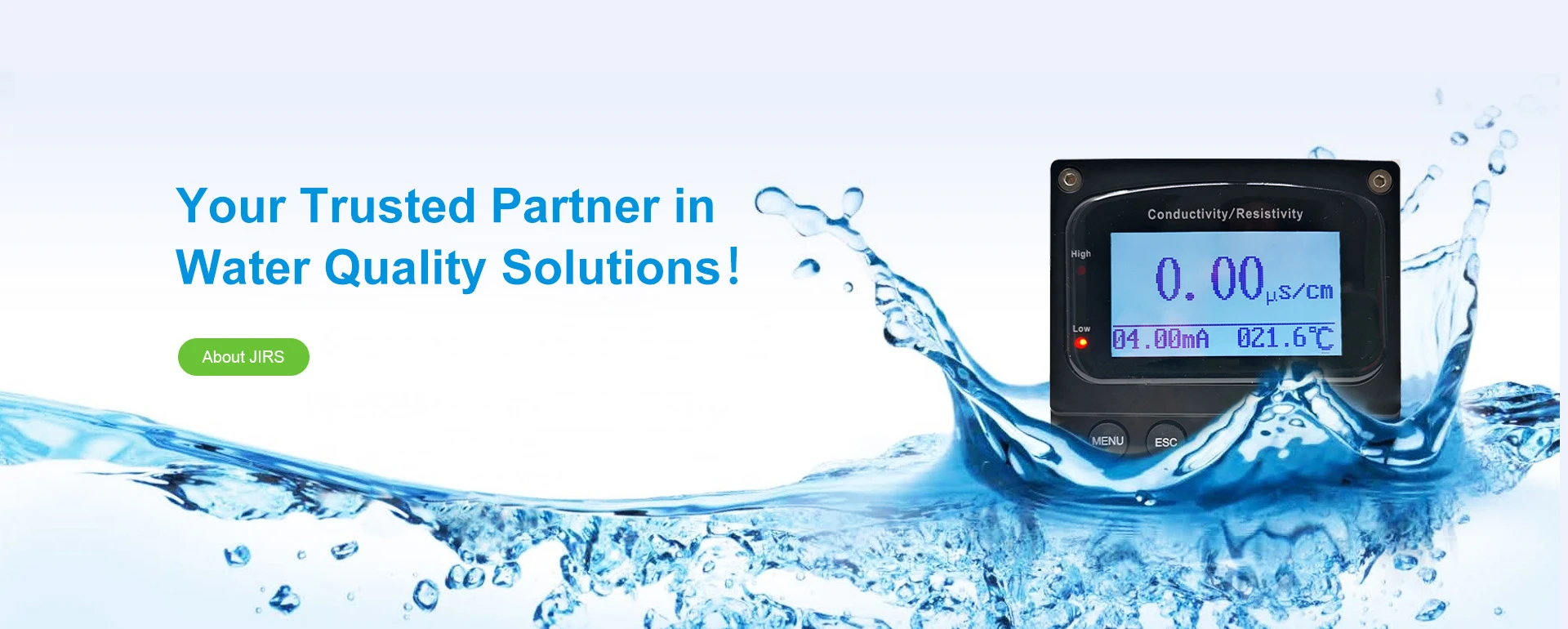
Industry Trends in Conductivity and Resistivity Measurement The industrial landscape for water treatment, process control, and environmental monitoring is undergoing significant transformation, driving an escalating demand for advanced conductivity and resistivity sensors. Key trends indicate a shift towards enhanced precision, robust build quality, and smarter integration capabilities. Industries
